Internet Access in Remote First Nations: Progress and Persistent Barriers
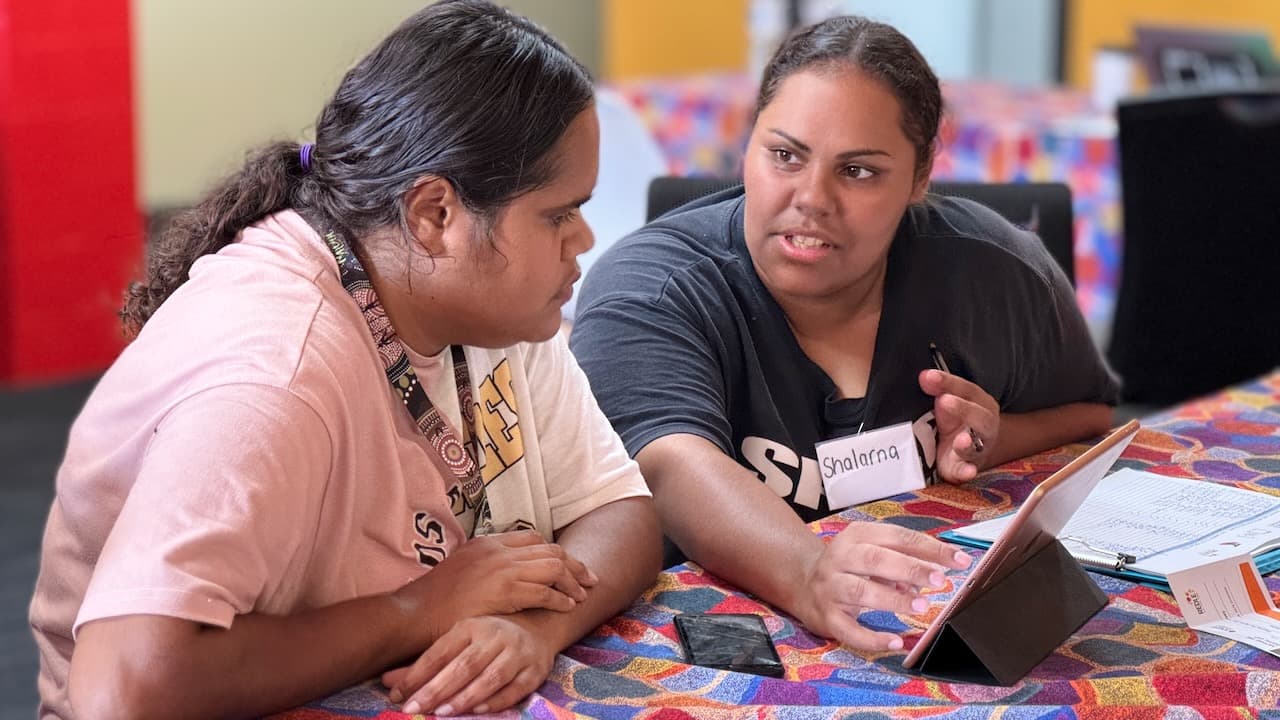
Internet Access Improves in Remote Communities
A new report highlights that internet access in Australia's remote and very remote communities has improved over the past two years, thanks to enhanced 4G, Wi-Fi, and satellite infrastructure across regional Australia.
The Mapping the Digital Gap report led by RMIT University reveals a 12% increase in internet access and an 18% increase in regular internet usage. However, despite these improvements, cost remains a significant barrier to greater digital inclusion.
Affordability Challenges
More than two-thirds of First Nations people surveyed struggle to afford internet services, with over half of the communities still lacking mobile access.
- Nearly 70% of respondents have made sacrifices or cut back on essential costs to afford the internet, a rise from 40% in 2022.
- 99% of mobile phone users rely on prepaid credit, as low and unreliable incomes limit access to better value monthly plans.
- Out of 1,505 remote communities, about 796 still lack mobile services.
Progress Towards Digital Inclusion
RMIT researchers have been mapping digital inclusion in remote First Nations communities for three years. Lead investigator Dr. Daniel Featherstone noted that while the gap is narrowing, inequalities persist.
- A 6% increase in regular internet users has been observed since 2022, with over 60% of those surveyed using the internet several times a day.
- However, 14% of individuals still do not use the internet, and many areas experience slow and unreliable services.
- The introduction of free Wi-Fi hotspots and mesh networks has played a crucial role in improving access, with a 31% increase in public Wi-Fi usage.
- Collaborations with companies like Telstra and Starlink are providing essential connectivity.
Engaging Online Despite Barriers
More First Nations people are now engaging online with music, videos, and games, with a 17% increase since 2022. High social media usage connects families, while online banking and shopping have also seen growth. However, a 19% drop in computer ownership has limited opportunities for learning.
- Challenges such as lack of identification, low email usage, and concerns about cyber-safety hinder further online engagement.
Future Directions
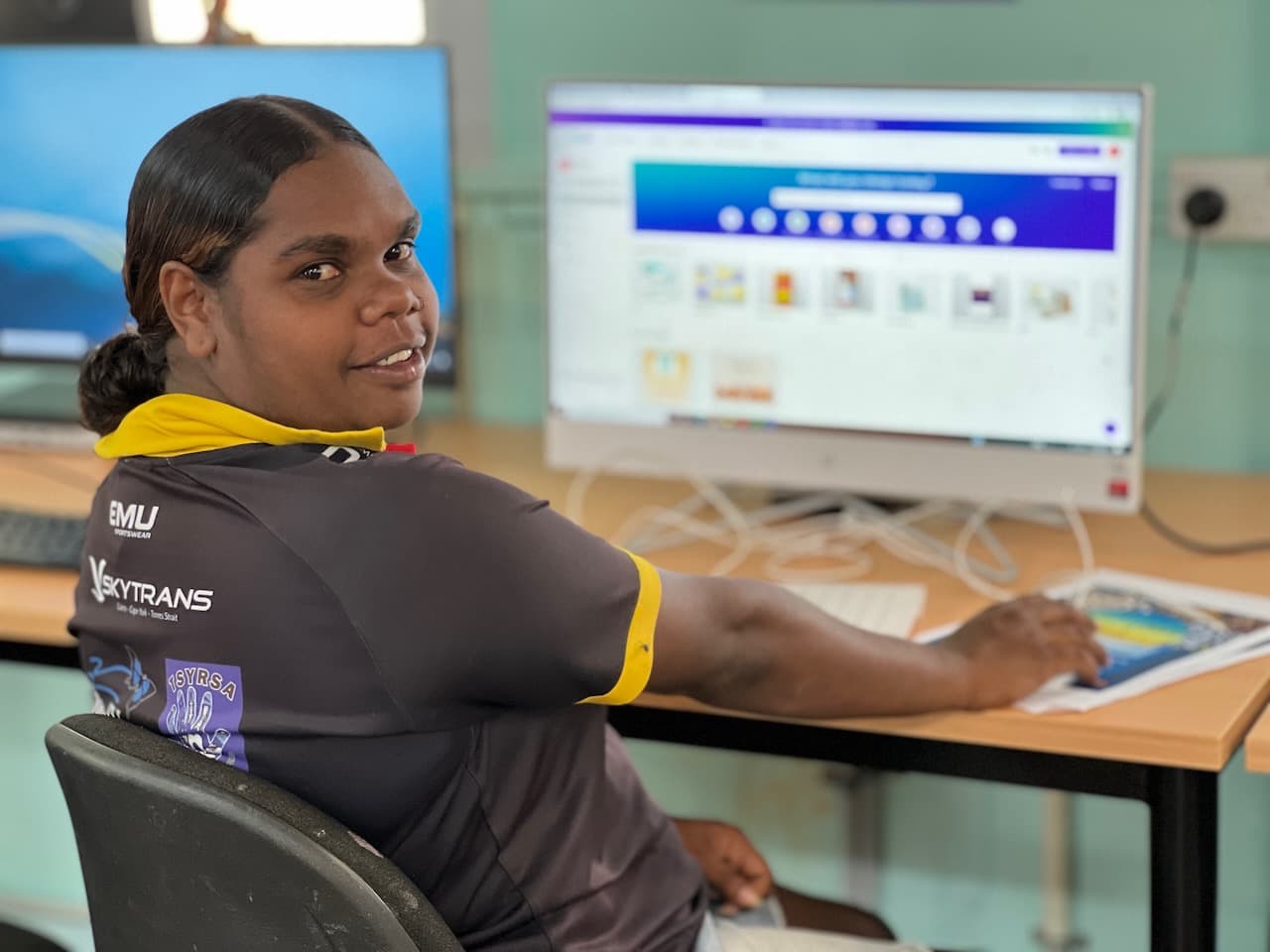
Dr. Featherstone emphasizes the need for programs addressing digital ability and skills. The planned Digital Mentors program in the 2024 Budget is a step forward, yet there is an urgent need for comprehensive programs to prevent widening the digital gap.
The Mapping the Digital Gap project is funded by Telstra and the Australian Research Council Centre of Excellence for Automated Decision-Making and Society. The next phase starts next year, aiming for more extensive surveys on access to mobile technology across Australia.
References
- Mapping the Digital Gap: 2024 Outcomes Report
- Co-authors: Daniel Featherstone, Lyndon Ormond-Parker, Julian Thomas, Sharon Parkinson, Kieran Hegarty, Leah Hawkins, Jenny Kennedy, Lucy Valenta, and Lauren Ganley.
- #digitalinclusion
- #remotework
- #community
- #internetaccess
- #firstnations
Comments · 0