Australia's New Copyright Bill Unlocks Remote Learning and Creative Freedom: What It Means for You
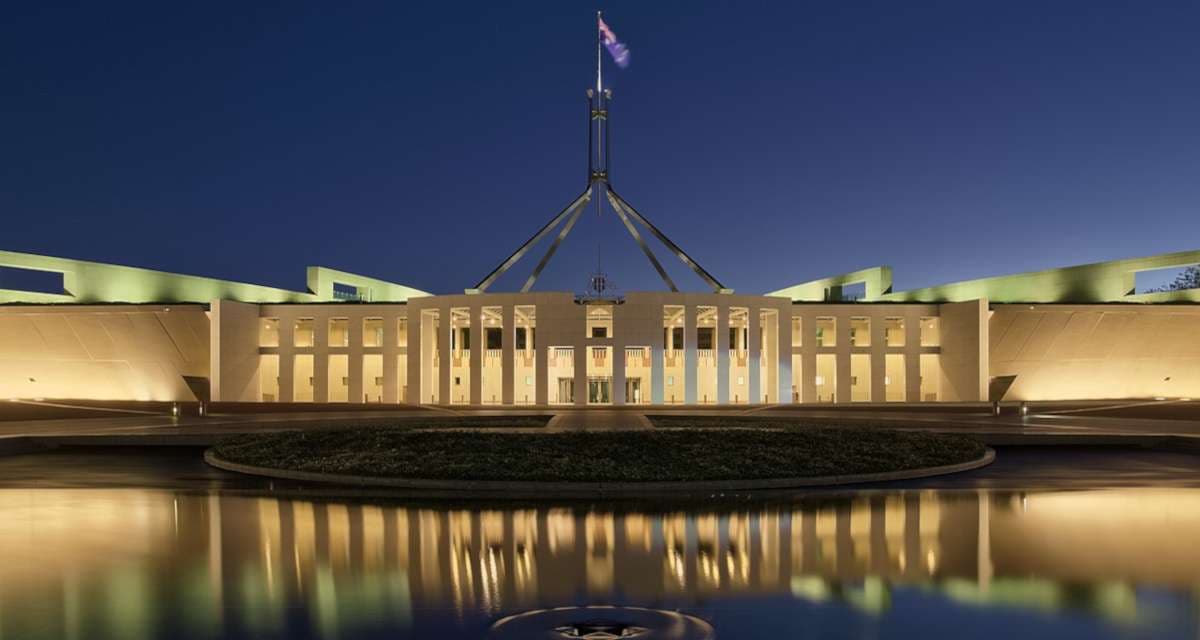
Australia's Parliament Passes Copyright Amendment Bill 2026
Australia’s Parliament has officially passed the Copyright Amendment Bill 2026, marking a significant shift in how orphan works and remote learning are handled under copyright law. This legislation, approved by both the House and the Senate, has been welcomed by major rights organizations including AMPAL, ARIA PPCA, APRA AMCOS, and the Australian Writers' Guild.
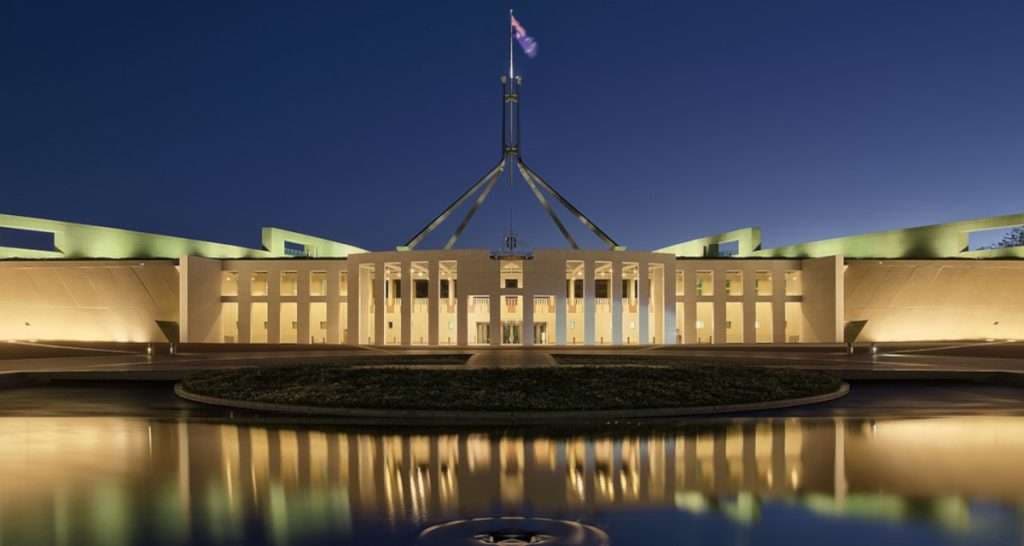 Australia’s Parliament House. Photo Credit: Thennicke
Loosened Restrictions on Orphan Works
The bill introduces clear-cut infringement-relief limitations for orphan works, defined as any work whose copyright owner cannot be identified or located. Under the new rules, courts cannot award damages or profits for alleged infringement of these works. Instead, defendants may be required to make a reasonable payment to the copyright owner, but only if they failed to perform a reasonably diligent search for the owner before use.
Key protections include:
- No payment required if the use was solely for private and domestic purposes and promptly ceased.
- Exemption from payment if the use leads to a licensing agreement.
According to APRA AMCOS and other organizations, this scheme provides certainty for researchers, educators, cultural institutions, and the broader community when dealing with materials of unknown ownership.
Expanded Educational Licensing for Remote Learning
A major highlight of the bill is the expansion of the educational licensing framework to cover online and remote learning. Previously limited to in-person settings, the new provisions now include classroom environments where technology allows participation without physical presence. This change aligns with the growing trend of remote work and digital education.
As stated in the Copyright Act 1968, performances in the course of educational instruction are not considered public if the audience is limited to participants. The amendment reinforces this for virtual classrooms, ensuring that educators and students can access creative content legally.
APRA AMCOS and others emphasize the value of this system, noting that for about $30 per student per year, Australian schools gain access to a vast repository of human creative output—including books, songs, images, articles, and films. They argue that this scheme benefits students, teachers, and creators alike, and should be protected from erosion.
This legislation represents a forward-thinking approach to copyright in the digital age, supporting innovation and accessibility in education and creative industries.
- #copyright
- #remotelearning
- #orphanworks
- #education
- #australia
Comments · 0