How Australia's Home Office Furniture Boom Reveals the Future of Remote Work
The Evolution of Australia's Home Office Furniture Market
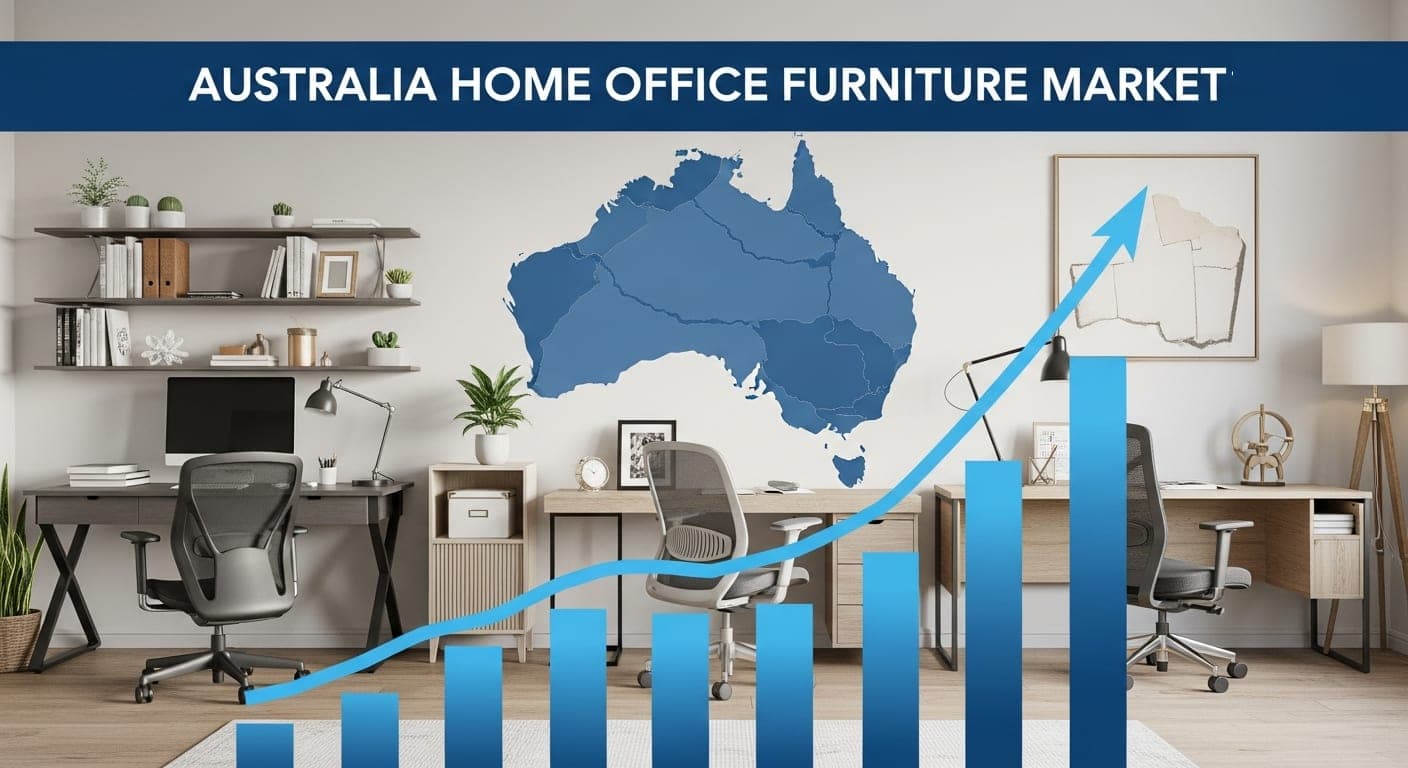
As hybrid and remote work models become firmly embedded in Australian workplaces, the home office furniture market is experiencing unprecedented growth. The market was valued at USD 909.8 million in 2025, with projections indicating it will reach USD 1,370.2 million by 2034, growing at a CAGR of 4.66% from 2026-2034. This expansion reflects fundamental shifts in how Australians approach work-life integration.
Home office furniture encompasses desks, chairs, storage units, shelving, workstations, and accessories designed to enhance productivity in residential settings. With work-from-home and hybrid arrangements now standard across many industries, the demand for dedicated, functional home workspaces continues to surge.
Key Drivers Fueling Market Growth
Hybrid and remote work persistence stands as a primary catalyst. Many organizations now offer flexible arrangements, allowing employees to work from home part-time, creating sustained demand for home setups that replicate traditional office functionality.
Increasing ergonomic awareness has become crucial. Extended desk hours have highlighted the importance of proper posture, seating support, and adjustable furniture. Consumers now prioritize ergonomic chairs, height-adjustable desks, and accessories that minimize strain and support long-term health.
Residential renovation and home improvement activities further drive demand. Homeowners and renters are investing in optimizing living spaces, often incorporating dedicated work areas into broader interior upgrades.
E-commerce and omni-channel retailing have revolutionized accessibility. Consumers can compare products online, read reviews, and utilize home delivery services, making bulky furniture purchases more convenient than ever.
Design preferences also influence buying behavior. Modern consumers seek furniture that balances functionality with aesthetic appeal, favoring neutral colors, minimalist designs, and space-saving formats that complement contemporary interiors.
Emerging Opportunities in the Market
1. Ergonomic and Adjustable Solutions
Demand continues to grow for height-adjustable desks, task chairs with lumbar support, and modular workstations that adapt to individual needs.
2. Space-Saving and Multi-Functional Furniture
Compact desks, foldable workstations, and storage-integrated furniture are gaining popularity, particularly in smaller living spaces where efficiency is paramount.
3. Sustainable Materials and Production
Interest is increasing in furniture made from responsibly sourced wood, recycled materials, and low-emission finishes, reflecting broader environmental consciousness.
4. Customization and Modular Design
Products that can be configured to personal preferences support greater individualization, allowing users to create workspaces that truly suit their workflow.
5. Corporate Partnerships
Employers are increasingly subsidizing or providing furniture for remote employees, opening B2B sales opportunities and fostering workplace wellness initiatives.
Operational Challenges and Considerations
The market faces hurdles related to raw material costs, supply chain stability, and logistics. Furniture manufacturing relies on timber, metal, plastics, and upholstery materials, all subject to price fluctuations.
Competition remains intense, with domestic and imported products vying on price and design. Differentiation through quality, ergonomics, and sustainability has become essential for market players.
Delivery and installation logistics for large items significantly impact customer experience. Retailers must manage transportation and returns efficiently to maintain satisfaction.
Recent Developments and Market Trends
- February 2025: Retailers reported increased demand for ergonomic chairs as hybrid work policies expanded across Australian companies.
- June 2025: Several furniture brands launched modular home office collections specifically targeting small apartments and compact living spaces.
- October 2025: Industry data revealed a 13% year-on-year increase in online sales of home office furniture, highlighting the digital shift in consumer purchasing behavior.
Why This Market Matters for Remote Workers
Understanding Australia's home office furniture market provides valuable insights into how work culture, housing trends, and consumer behavior intersect. This sector reflects long-term changes in how people organize professional activities within domestic environments.
For businesses and investors, the market highlights opportunities in ergonomic design, sustainability, and digital retailing. For consumers, it illustrates the expanding options available for creating functional, comfortable, and health-supportive work environments.
The home office furniture market in Australia is shaped not by fleeting trends but by enduring shifts in how and where people work, making it a critical indicator of the future of remote work infrastructure.
- #homeoffice
- #ergonomics
- #remotework
- #furniture
- #australia
Comments · 0