Hot-Desking Revolution: How Canberra's Public Service is Saving Billions and Redefining Remote Work
More than half of Canberra's federal agencies are now embracing hot-desking, as the Australian government pushes for $20 billion in savings and adapts to global fuel crises. This shift is transforming how public servants work, with significant implications for remote work policies and office space efficiency.
The Rise of Activity-Based Working
At least 14 out of 30 public service agencies in Canberra have adopted activity-based working, commonly known as hot-desking. Two more agencies are set to transition soon, according to the Australian Public Service Commission. This move is part of a broader strategy to claw back public service expenditure and promote flexible work arrangements.
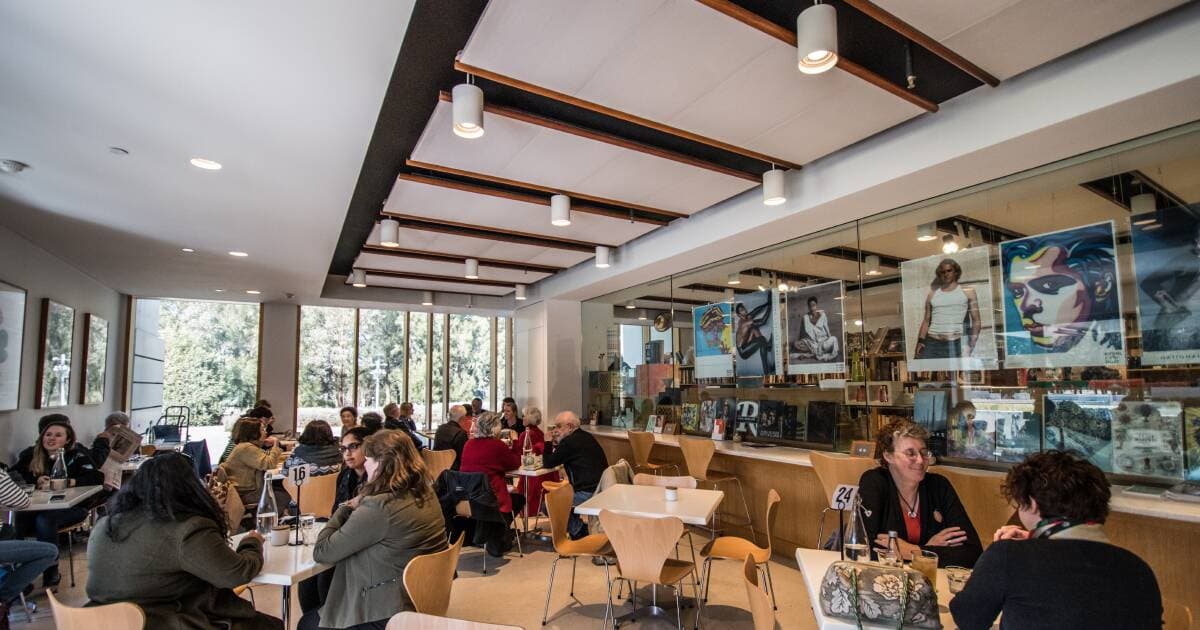
 The National Portrait Gallery uses activity-based working despite low remote work rates.
Remote Work Rates and Fuel Crisis Impact
Agencies using hot-desking report an average of 61% of staff working from home regularly, compared to the APS-wide average of 57%. The push for remote work has intensified due to the Iran war crisis, with the International Energy Agency advocating for increased working from home to minimize fuel price spikes and supply concerns.
Former finance deputy secretary Stephen Bartos noted that sustained crises could lead to reduced office space needs: "If it's going to last for many more months, that may lead to a need for less office space, because more people will be working from home."
Agency-Specific Trends
- Australian Financial Security Authority had the highest work-from-home rate among hot-desking agencies last financial year at 77%.
- Employment and Workplace Relations saw a 5 percentage point jump to 73% in the 2024-25 State of the Service report.
- Only three agencies—National Portrait Gallery, Defence, and Prime Minister and Cabinet—reported less than 50% of staff regularly working remotely.
Efficiency and Cost Savings
The government is prioritizing efficiency, with $20 billion in reprioritisations outlined in the 2025-26 Mid-Year Economic and Fiscal Outlook. Agencies are shrinking their floor plates and using space more efficiently, leading to reduced real leasing costs despite increased remote work.
Mr. Brinton, an industry expert, explained: "Agencies are pushing to use their space much more efficiently, and that has an effect on shrinking footprints. Most agencies are planning for seven workstations per 10 equivalent full-time workers, expecting only 70% of staff in at any one time."
This dual effect—reduced in-office attendance and denser workspace layouts—is driving down overall rental space requirements, aligning with broader global workforce trends toward flexible and remote work environments.
- #hotdesking
- #remotework
- #publicservice
- #australia
- #efficiency
Comments · 0