Automation is Reshaping FIFO Mining Jobs in Australia: Are Workers Ready?
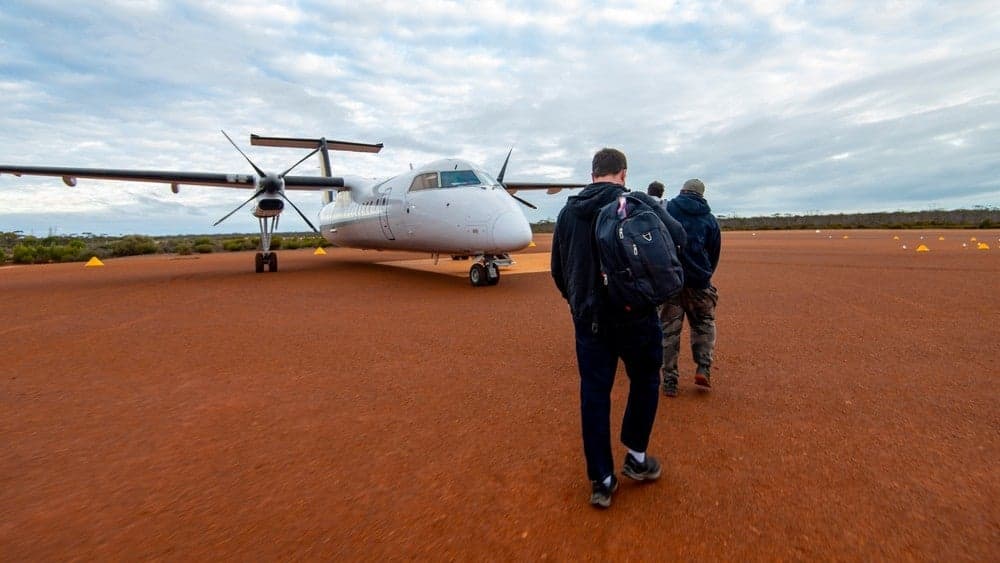
From driverless haulage to AI-managed logistics, automation is transforming FIFO (Fly-In Fly-Out) work in Australia's remote mines. With over 100,000 FIFO workers in the country, the shift is exposing a critical reskilling gap. This article explores how automation is changing roles both in the pit and in FIFO villages, and what it means for the future of remote mining work.
The Rise of Automation in Mining
FIFO workers are already seeing a clear shift in their day-to-day responsibilities. Manual, reactive tasks are being replaced by technology-enabled roles focused on monitoring, control, and data interpretation. In the Pilbara, Rio Tinto operates a truck fleet that is more than 90% autonomous, and BHP's South Flank mine has a fully automated fleet of 41 haul trucks. Autonomous drilling rigs are also becoming common, operated remotely from operations centers anywhere in the world.
Safety is the main driver of automation. Fewer workers on the ground mean reduced exposure to 12-hour shifts, mental fatigue, and the risk of accidents. As one expert notes, "The drilling industry has been able to eliminate accidents now that there are hydraulic rod handlers."
Automation Beyond the Mine: FIFO Villages
Automation is also transforming FIFO living conditions. In villages that host thousands of workers, robots are being deployed for tasks like food delivery, cleaning, and maintenance. For example, Sodexo and Ottonomy deployed the 'Ottobot' at Rio Tinto's Gudai-Darri mine to deliver food and drinks autonomously. Cleaning robots are also being used to maintain thousands of dongas (prefabricated modular units), reducing the workload on human staff.
AI-driven analysis is optimizing human logistics, scheduling workforce requirements, and managing inventories. This helps predict food and electricity demand, and even forecast worker fatigue.
Are FIFO Workers Going to Be Replaced?
The short answer is no, but roles will evolve. Automation creates new opportunities: demand for AI-skilled workers in mining grew 135% between 2019 and 2025. At Gudai-Darri, robots deployed in ore sampling and warehouses created 600 permanent jobs. However, these roles require retraining, and the transition must be carefully managed to avoid leaving workers behind.
FIFO will remain a core part of the mining workforce, especially for remote operations. Some specialist tasks like underground service and shutdowns are irreplaceable for now. The future of FIFO is expected to be more flexible, more specialized, and less reliant on large numbers of workers deployed for extended periods.
In the words of one expert, "I don't think we will see a world without FIFO in our lifetimes. Even mines of the future are still planning to have thousands of workers on-site."
- #fifo
- #miningautomation
- #reskilling
- #remotework
- #australia
Comments · 0