Australia's Bold Plan: Turning Empty Offices into Apartments to Solve the Housing Crisis
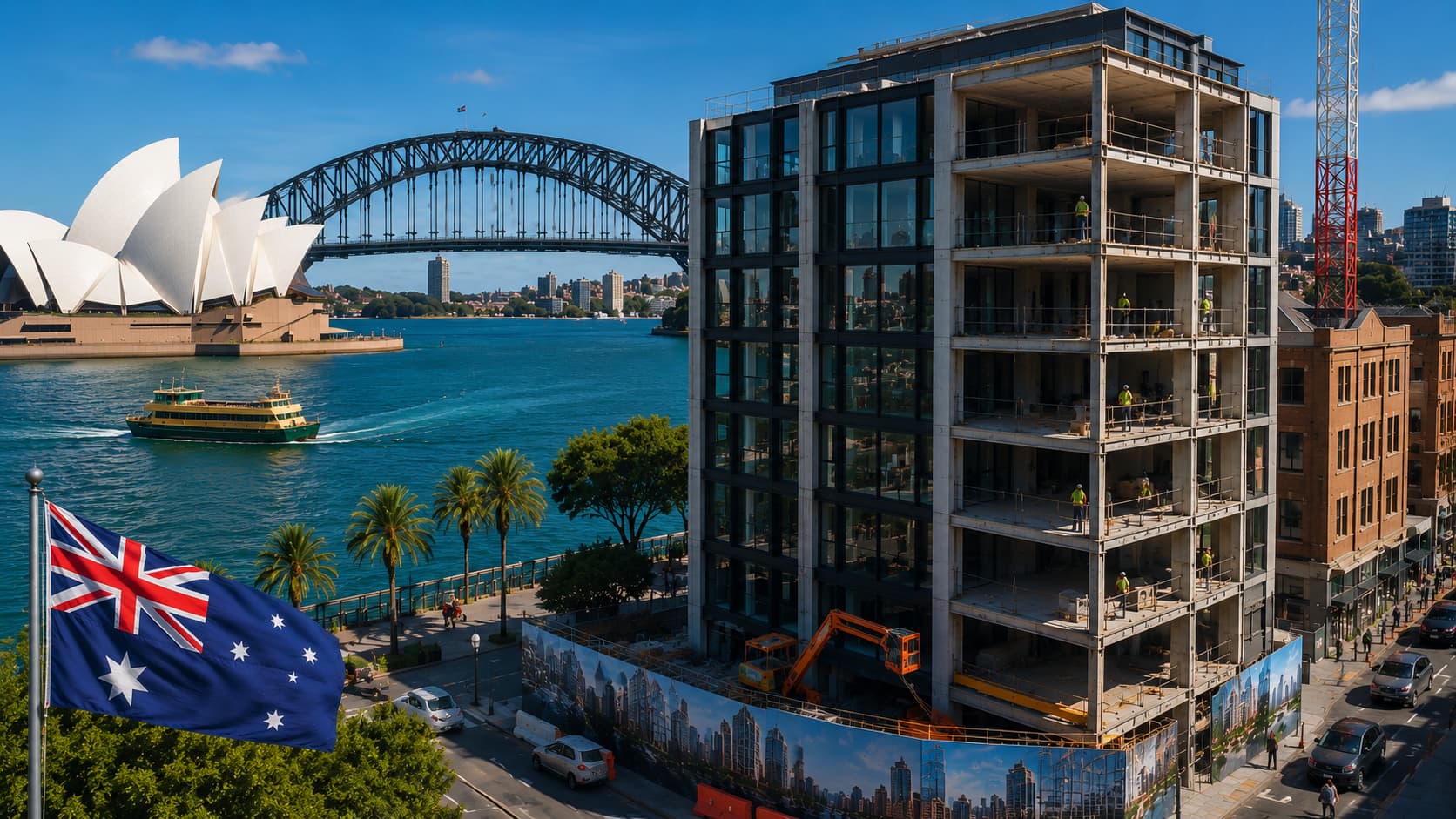
Australia is tackling two crises at once: soaring commercial vacancy due to remote work and a severe housing shortage. The solution? Converting empty office buildings into residential apartments.
Why Now?
Data from the Property Council of Australia shows commercial vacancy at its highest since the 1990s, driven by the shift to hybrid and remote work. Meanwhile, the National Housing Supply and Affordability Council reports a persistent housing shortage, keeping rents and prices high in cities like Melbourne and Sydney.
Adaptive Reuse: A Win-Win
Instead of demolishing, developers are adapting existing structures—foundations, elevators, and systems—for residential use. This adaptive reuse accelerates housing supply in areas with existing infrastructure, reduces costs, and cuts environmental impact.
Melbourne is leading the way. In 2024, local authorities began offering incentives for office-to-apartment conversions, with estimates suggesting 10,000 to 12,000 new homes could be created from underutilized buildings in Victoria.
Revitalizing Urban Centers
Beyond housing, this strategy aims to revitalize city centers hit by reduced foot traffic. Mid-range offices have lost appeal compared to modern towers, leaving empty floors and declining economic activity. Reusing these properties can bring residents back, boosting local businesses and reducing emissions from demolitions.
Environmental Benefits
Adaptive reuse significantly lowers the carbon footprint by reusing concrete, steel, and other materials. The City of Melbourne sees this as key to meeting its 2040 sustainability goals.
Challenges Remain
Not every office can be converted. Factors like floor depth, elevator placement, natural light, and plumbing affect feasibility. However, experts believe a substantial portion of vacant offices are suitable.
The Big Picture
Australia is exploring multiple solutions—modular homes, social housing, and building repurposing—to ease the housing crisis. Converting empty offices into apartments could be a game-changer, potentially reshaping urban centers for decades to come.
- #remotework
- #housingcrisis
- #adaptivereuse
- #australia
- #urbanplanning
Comments · 0